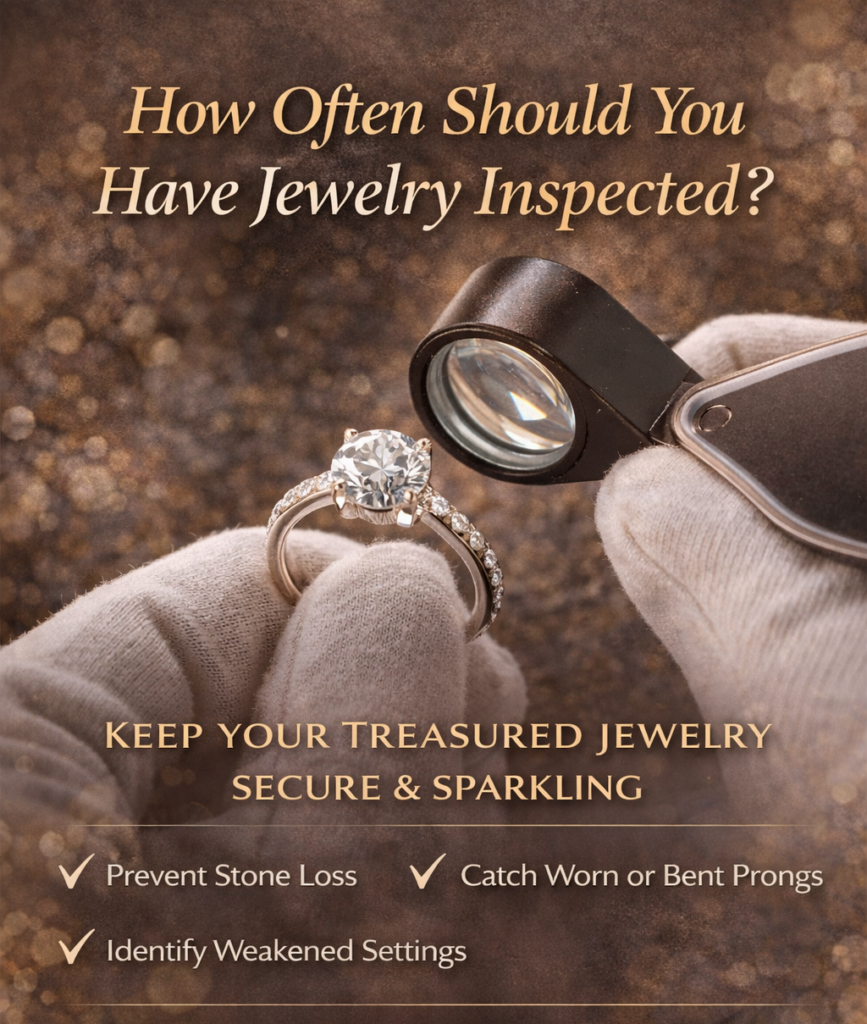
Fine jewelry is meant to be worn, enjoyed, and cherished—but everyday wear can quietly loosen stones, wear down prongs, and weaken settings over time. Many costly repairs (or even stone loss) can be prevented with routine professional inspections.
At Sage Jewelers, we believe regular jewelry inspections are one of the most important—and overlooked—parts of caring for fine jewelry. This guide explains how often you should have your jewelry inspected and why it matters.
Why Jewelry Inspections Are So Important
Even high-quality jewelry experiences natural wear. Daily activities like typing, cleaning, exercising, and temperature changes can slowly affect your jewelry’s structure.
A professional inspection helps:
- Prevent loose or lost stones
- Catch worn prongs early
- Identify thinning shanks or weakened clasps
- Extend the life of your jewelry
- Maintain value and appearance
Think of it as preventive care for your most treasured pieces.
How Often Should You Have Jewelry Inspected?
Every 6 Months for Everyday Jewelry
Jewelry worn daily—such as engagement rings, wedding bands, and favorite necklaces—should be inspected every six months.
This includes:
- Engagement rings
- Wedding bands
- Diamond studs
- Everyday gold chains or bracelets
Frequent wear increases the risk of prong wear and stone loosening, even when damage isn’t visible.
Once a Year for Occasional Wear Jewelry
Jewelry worn less often—like statement pieces or special-occasion items—should be inspected once a year.
This includes:
- Anniversary rings
- Cocktail rings
- Heirloom pieces
- Formal necklaces and earrings
Annual inspections help ensure these pieces remain secure and ready to wear when you need them.
Jewelry That Needs More Frequent Inspections
Some pieces benefit from extra attention, including:
- Rings with pavé or micro-set diamonds
- Jewelry with emeralds, opals, or other softer gemstones
- Vintage or antique jewelry
- Custom-designed pieces
Our experts at Sage Jewelers can recommend an inspection schedule tailored to your specific jewelry.
What Happens During a Professional Jewelry Inspection?
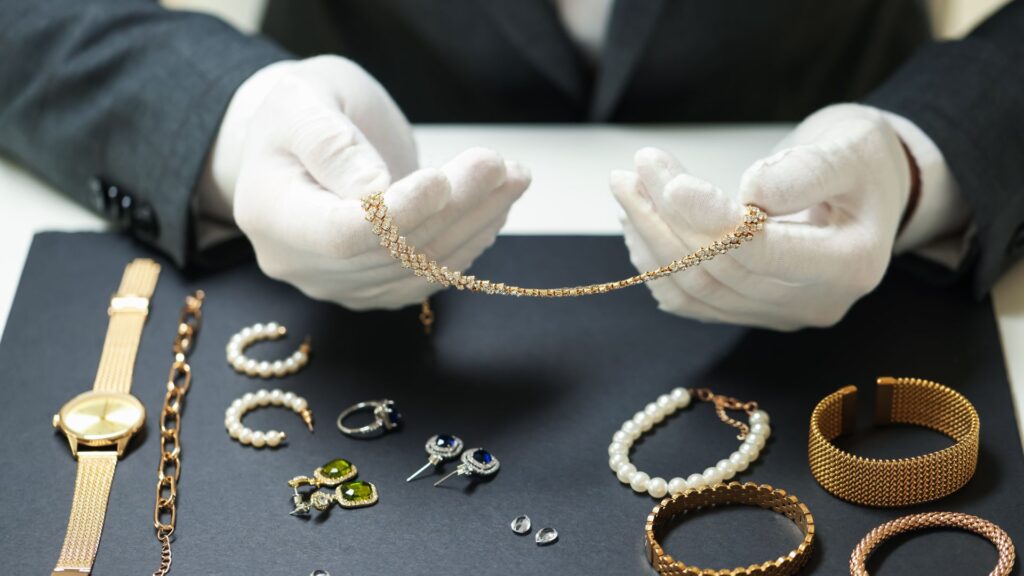
A professional inspection is quick and non-invasive. At Sage Jewelers, it typically includes:
- Checking prongs and stone tightness
- Examining clasps, hinges, and closures
- Inspecting metal thickness and wear
- Looking for cracks or stress points
- Cleaning and polishing (if needed)
Catching minor issues early often prevents major repairs later.
Signs Your Jewelry Needs Immediate Inspection
Don’t wait for your scheduled check if you notice:
- Stones that feel loose or rattle
- Bent or uneven prongs
- A ring that suddenly spins or fits differently
- A clasp that opens easily
- Visible chips or cracks
If something feels off, it’s best to have it checked right away.
Does Insurance Require Jewelry Inspections?
Many jewelry insurance policies recommend or require regular inspections to maintain coverage—especially for engagement rings.
Keeping up with inspections:
- Helps protect your coverage
- Provides documentation of condition
- Reduces claim risk
Sage Jewelers can assist with inspection records when needed.
The Sage Jewelers Standard of Care
We believe fine jewelry should last a lifetime—and beyond. That’s why we encourage routine inspections as part of responsible ownership.
Our inspection services focus on:
- Protecting your investment
- Preserving craftsmanship
- Ensuring safe, confident wear
Whether we designed the piece or not, our expert jewelers are happy to inspect and care for your jewelry.
Schedule Your Jewelry Inspection at Sage Jewelers
Regular inspections are a simple step that can save you from costly repairs—or heartbreaking loss.
Visit Sage Jewelers in-store or contact us to schedule a professional jewelry inspection today.
Your jewelry deserves expert care—every time you wear it.
Frequently Asked Questions About Jewelry Inspections
How often should jewelry be professionally inspected?
Most fine jewelry should be inspected every 6 months if worn daily. Pieces worn occasionally should be inspected once a year to ensure stones and settings remain secure.
How often should engagement rings be inspected?
Engagement rings should be inspected every 6 months because they are typically worn every day and experience the most wear on prongs and settings.
What happens during a jewelry inspection?
A professional jewelry inspection includes checking stone tightness, prongs, clasps, and metal wear. At Sage Jewelers, inspections may also include cleaning and polishing to restore brilliance.
Can a jewelry inspection prevent stone loss?
Yes. Regular inspections help identify loose stones and worn prongs before a diamond or gemstone falls out, preventing costly repairs or permanent loss.
Do jewelry inspections take a long time?
Most inspections are quick and non-invasive, often completed in 15–30 minutes, depending on the piece and whether cleaning is included.
Should vintage or heirloom jewelry be inspected more often?
Yes. Vintage and heirloom jewelry often has older settings that may require more frequent inspections, especially if worn regularly.
Do jewelry insurance policies require inspections?
Many jewelry insurance policies recommend or require regular inspections to maintain coverage, particularly for engagement rings. Keeping inspection records can help protect your coverage.
Can I inspect my jewelry at home instead?
While you can visually check for loose stones or bent prongs, only a professional jeweler has the tools and expertise to properly inspect and secure fine jewelry.
What are signs my jewelry needs immediate inspection?
Have your jewelry checked right away if you notice:
- Loose or rattling stones
- Bent or missing prongs
- Clasps that open easily
- Rings that feel thinner or fit differently
Does Sage Jewelers inspect jewelry not purchased in-store?
Yes. Sage Jewelers is happy to inspect jewelry whether it was purchased from us or elsewhere. Our goal is to help protect and care for your fine jewelry.
Is jewelry inspection expensive?
Inspections are typically affordable and can save significant money by preventing major repairs or stone replacement. Contact Sage Jewelers for inspection details.
Sage Jewelers Expert Tip
Routine inspections are one of the simplest ways to extend the life of your jewelry. A few minutes of professional care can protect a piece for generations.